


Radiators are essential for keeping our homes warm, but let’s be honest, they aren’t always the most attractive feature. Many homeowners opt for covers to hide these functional but often bulky units. While wooden covers are common, a truly elegant and practical alternative is using granite worktop offcuts to create a stunning, durable, and heat-efficient radiator cover. This guide will explore everything you need to know about transforming leftover granite into a stylish feature for your home, offering both aesthetic appeal and surprising practical benefits.
The Appeal of Granite for Radiator Covers
Why choose granite for a radiator cover? It’s a question of both form and function. Granite, a natural stone, offers a sophisticated look that can elevate any room. Beyond its beauty, its inherent properties make it an excellent material for interacting with heat sources like radiators. We’ll delve into the aesthetic advantages, the unique thermal properties, and the environmental benefits of repurposing materials.
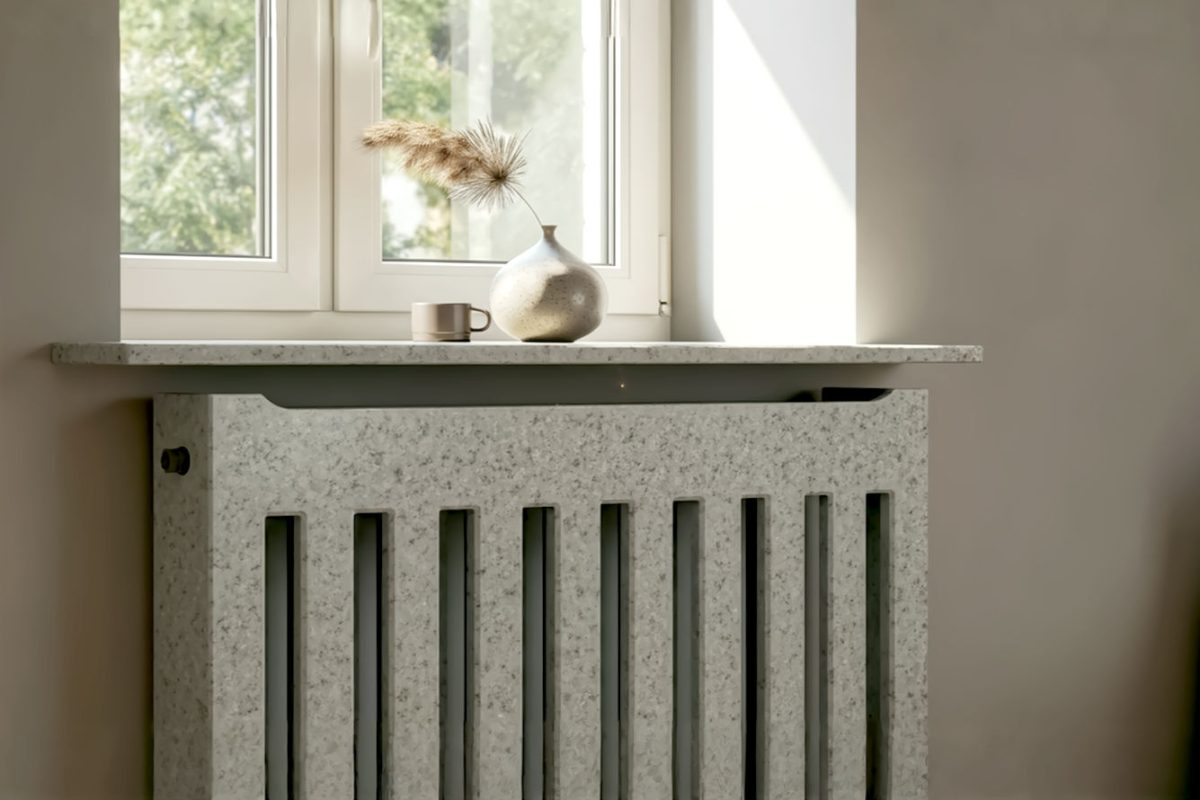
Add Luxurious Detail to Interior Designs
Granite is synonymous with luxury and timeless design. Its diverse range of colours and patterns, from deep blacks and greys to speckled whites and vibrant blues, means there’s a granite to complement almost any interior design scheme. Each slab is unique, a natural work of art forged deep within the Earth, ensuring your radiator cover will be one-of-a-kind.
The polished surface of granite reflects light, adding brightness and a sense of spaciousness to a room. This subtle gleam can make a typically utilitarian item like a radiator become an integrated part of your decor, rather than an eyesore.
It offers a sophisticated, custom-built look that standard, off-the-shelf radiator covers simply can’t match. Imagine a seamless connection between your kitchen worktops and your living room radiator cover – a subtle touch that ties a space together with elegant continuity.
The substantial feel and visual weight of granite also contribute to a sense of permanence and quality in your home.
The Practical Benefits of Using Granite for Radiator Covers
One of the most compelling reasons to use granite for a radiator cover is its excellent thermal mass and conductivity. Understanding these properties is key to appreciating its benefits.
🔥 | Thermal Mass Defined: In simple terms, thermal mass refers to a material’s ability to absorb, store, and then slowly release heat. Think of a cast-iron pan; it takes a while to heat up, but once hot, it stays hot for a long time.
- Granite acts similarly. When your radiator heats up, the granite surface absorbs that thermal energy. Instead of just letting the heat dissipate quickly into the air, the stone stores a significant portion of it.
♨️ | Thermal Conductivity Explained: Thermal conductivity, on the other hand, describes how efficiently a material transfers heat. Granite has good thermal conductivity, meaning it can absorb heat from the radiator effectively.
- Granite’s crystalline structure allows for relatively efficient heat transfer from the hot radiator surface into the body of the stone.
So, how does this translate into benefits for your home? As the radiator warms up, the granite cover gets warm. Once the heating system turns off, the granite continues to radiate its stored heat back into the room for an extended period. This can contribute to a more stable room temperature and potentially reduce the frequency with which your heating system cycles on and off.
- While it won’t drastically cut your energy bills on its own, it contributes to a more consistent and comfortable warmth, subtly enhancing your home’s thermal efficiency by prolonging the radiating effect of your heating. It’s like having a miniature storage heater on top of your radiator.
Environmental & Economic Benefits: Repurposing Offcuts
Choosing granite worktop offcuts is an incredibly smart decision from both an environmental and economic standpoint. When large granite slabs are cut for kitchen worktops or bathroom vanities, there are inevitably smaller pieces left over. These “offcuts” are often too small for another full worktop but perfectly sized for smaller projects like radiator covers, windowsills, or shelving.
Sustainability:
By using these offcuts, you’re directly participating in waste reduction. Instead of these valuable natural resources ending up in landfills, they get a new purpose. This aligns with sustainable living principles and reduces the demand for newly quarried and processed stone. It’s a prime example of upcycling, transforming what would be waste into a high-value, functional item.
Cost-Effectiveness:
Economically, purchasing granite offcuts is significantly cheaper than buying a full slab. This makes the luxury of granite surprisingly accessible, allowing you to achieve a high-end look without the high-end price tag. It’s an intelligent way to inject bespoke quality into your home on a budget.
Planning Your Granite Radiator Cover
Creating a granite radiator cover requires careful planning and precise measurements. This section will guide you through the essential steps, from initial assessment to final design considerations, ensuring a successful and professional-looking result.
Assessing Your Radiator and Space
Assess the radiator and the surrounding area. This initial step is crucial for planning your design, its functionality and aesthetics.
Radiator Type and Location:
Start by identifying the type of radiator you have. Is it a traditional panel radiator, a column radiator, or a more modern design? Its style and dimensions will influence the design of your cover. Consider its location: is it under a window, on a blank wall, or in a hallway? The surrounding space dictates how much overhang or side coverage is appropriate. For instance, a radiator under a window might only need a top shelf, whereas one in a high-traffic area could benefit from a full cover for protection and aesthetics.
Clearances for Airflow and Heat Dissipation:
Crucially, adequate airflow is paramount. A radiator heats a room primarily through convection – warm air rises, draws in cooler air from below, and circulates. If you block this airflow, your radiator will become inefficient, wasting energy and potentially overheating.

Top Clearance: Allow at least 5-10 cm (2-4 inches) between the top of the radiator and the underside of your granite cover. This gap ensures warm air can escape freely. If the gap is too small, heat can build up and significantly reduce the radiator’s efficiency.
Side and Front Clearance (if applicable): If you’re building a full cover enclosure, ensure there are sufficient gaps on the sides and front (e.g., through grilles or open designs) for cool air to be drawn in and for warm air to circulate. A common mistake is to enclose a radiator too tightly, creating a heat trap. The goal is to direct heat into the room, not to contain it within the cover.
Measuring for Your Granite Piece
Accurate measurements are non-negotiable when working with stone. Errors here can be costly and difficult to rectify. Always double-check every measurement.
Length and Depth:
Measure the total length of your radiator from end to end, including any valves or pipes that you want the granite to span. Then, decide on your desired overhang. Typically, a granite cover extends 5-10 cm (2-4 inches) beyond each end of the radiator. For depth, measure from the wall to the front of the radiator and add your desired front overhang, usually 3-5 cm (1-2 inches). The total depth should also account for any brackets or mounting hardware you plan to use.
Thickness:
Standard worktop granite is typically 20mm or 30mm thick. Both thicknesses are suitable for radiator covers.
- 20mm granite is lighter and can be easier to handle, making it a good choice for smaller covers or if weight is a concern. It offers a sleek, minimalist look.
- 30mm granite provides a more substantial, robust feel and often looks more luxurious. Its greater thermal mass means it will retain heat for longer. The choice often comes down to aesthetic preference and structural support. Ensure your wall fixings can comfortably support the weight of your chosen thickness.
Template Creation:
For complex shapes or if you have an uneven wall, creating a physical template out of cardboard or thin MDF is highly recommended. This allows you to fine-tune the shape, mark cut-outs for pipes or skirting boards, and ensure a perfect fit before committing to cutting the granite. Lay the template over your radiator and against the wall, making adjustments until it’s perfect. This step minimizes potential errors and ensures a bespoke finish.
Design Considerations: From Shelf to Full Cover
The design of your granite radiator cover can range from a simple, elegant shelf to a more comprehensive enclosure. Your choice will depend on your aesthetic preferences, the function you want the cover to serve, and the space available.

Simple Top Shelf:
This is the easiest and most common option. It involves securing a single piece of granite directly above the radiator, effectively creating a stylish shelf.
- Advantages: Maximises heat output as airflow is minimally restricted, provides a useful display surface, and is the most cost-effective and straightforward to install. It’s perfect for smaller spaces or where the primary goal is to add a decorative element and protect a wall from heat marks.
- Considerations: Still requires sufficient clearance above the radiator.

Full Radiator Cover with Granite Top:
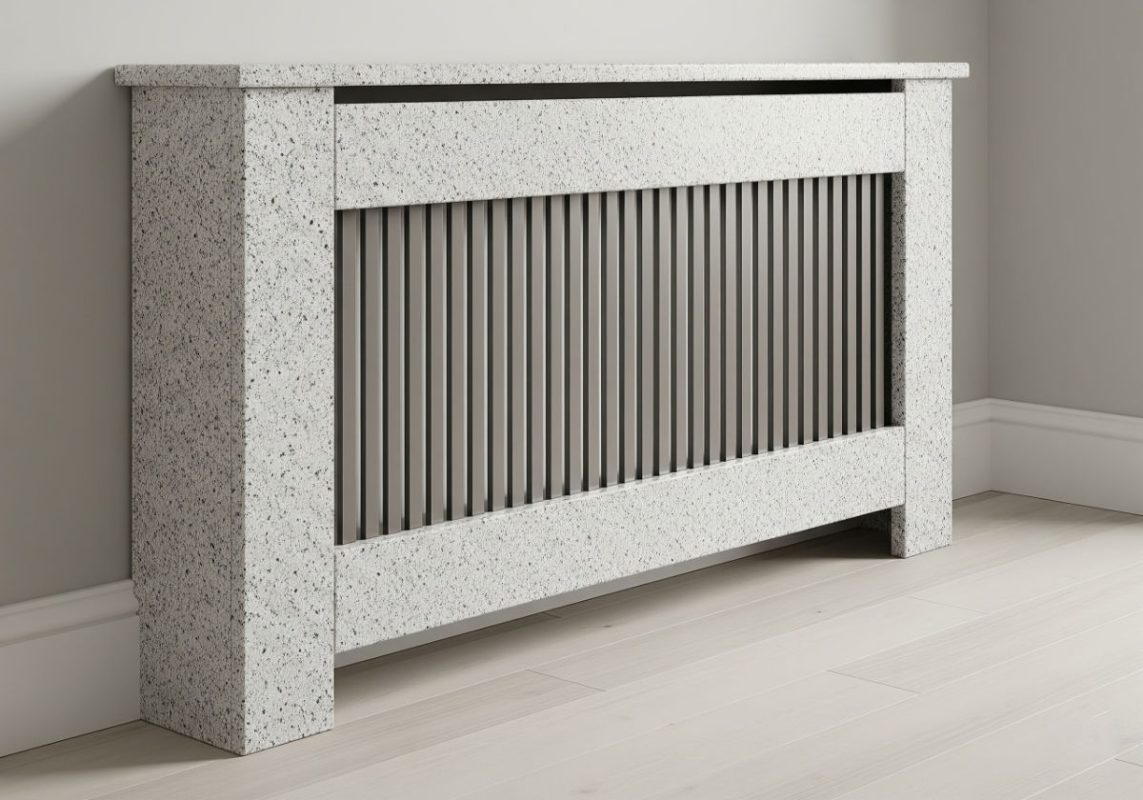
This design involves building a frame around the radiator, often from MDF or timber, and then capping it with a granite top. The sides and front typically feature grilles or decorative cut-outs to ensure adequate airflow.
- Advantages: Completely conceals the radiator for a streamlined look, offers protection from hot surfaces (ideal for homes with children or pets), and provides a larger, more stable surface.
- Considerations: Requires more construction work, can slightly reduce heat output if airflow is not meticulously designed, and is heavier and more complex to install. The grille design is critical for both aesthetics and heat dissipation; choose patterns that allow maximum air circulation.
Integrated Solutions:
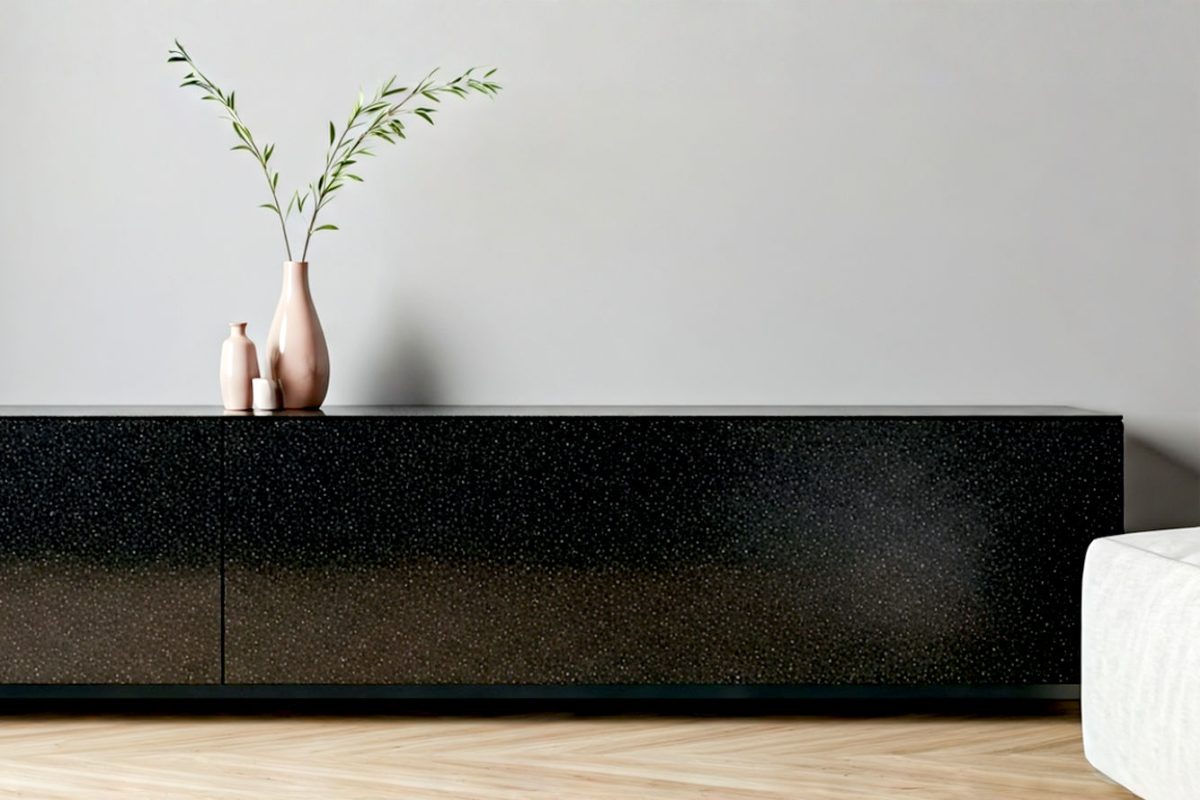
For a truly bespoke look, you might integrate the granite radiator cover into existing joinery, such as a window seat, shelving unit, or a media console. This creates a seamless, built-in appearance.
- Advantages: Highly customisable, maximises space utilisation, and creates a sophisticated, architectural feature.
- Considerations: Requires advanced carpentry and stone fabrication skills, significantly higher cost, and more complex planning.
Regardless of the design, consider the edge profile of your granite. A simple polished edge is classic, but a bullnose (rounded), ogee (S-shaped), or chamfered (angled) edge can add character and a custom feel. Discuss options with your stone fabricator.
Sourcing and Fabricating Granite Offcuts
Once your design is finalised and measurements are precise, the next step is acquiring and preparing your granite.
Where to Find Granite Offcuts
Finding granite offcuts isn’t as difficult as it might seem. They are a common byproduct of the stone fabrication industry, and many businesses are happy to sell or even give them away.
1) Local Stone Fabricators/Worktop Suppliers:
You could try local stone fabricators or kitchen worktop suppliers. These businesses regularly cut large slabs of granite, quartz, and marble, inevitably producing offcuts.
Call ahead or visit their workshops. Explain your project (a radiator cover) and your need for a small, remnant piece. They often have dedicated “remnant” or “offcut” sections. You might find pieces that are already close to your required dimensions, saving on cutting costs.
Be prepared to be flexible with colour and pattern, as stock will depend on recent projects.
2) Salvage Yards or Reclamation Centres:
Sometimes, you can find larger, more varied pieces at architectural salvage yards or reclamation centres. These places deal with salvaged building materials and might have unique granite pieces from demolished kitchens or commercial properties.
The quality and finish might vary, and you might need to clean or re-polish the stone. It’s more of a treasure hunt but can yield unique results.
3) Online Marketplaces:
Websites like eBay, Gumtree, Facebook Marketplace, or local classifieds can sometimes list granite offcuts from individuals who have recently had worktops installed and have leftover pieces.
4) Online Suppliers:
For convenience and a potentially wider selection, consider online suppliers and fabricators of granite worktop offcuts, such as us here at Hereford Stone. We’re a leading provider, offering a comprehensive online selection of remnants that you can browse and buy online from the comfort of your home. With our neatly categorised, easily filterable stock, you’re in control of colour and material selection, and you can specify professional cutting and edge finishing, saving you time and effort.
When you find a potential piece, verify its type (granite, not quartz or marble, unless you prefer those), colour consistency, and check for any chips, cracks, or deep scratches that can’t be polished out.
Cutting and Polishing Granite: A Professional’s Job
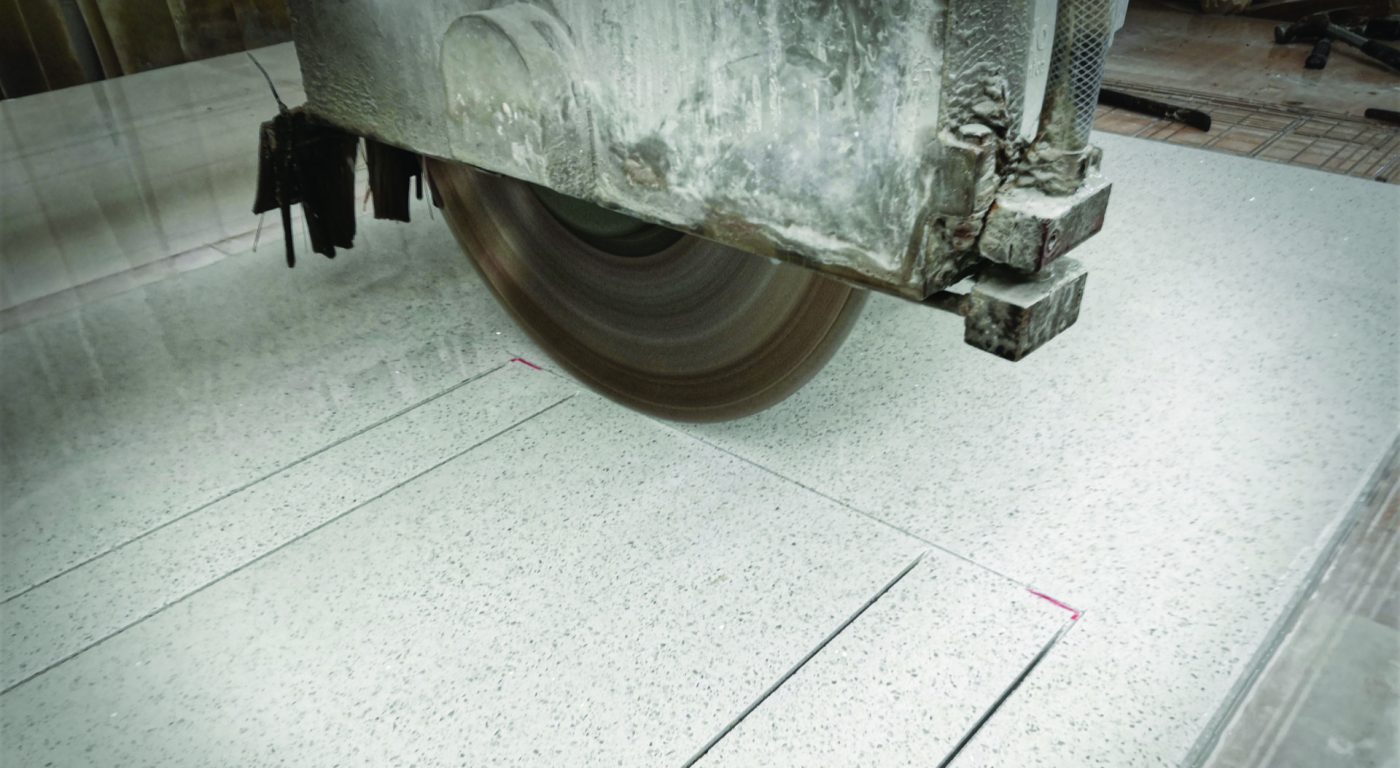
While DIY is great, cutting and polishing granite is a job best left to professionals. Granite is an extremely hard material, requiring specialised tools and expertise. Attempting to cut it yourself without the proper equipment can be dangerous, result in damage to the stone, and produce a very unprofessional finish.
The Cutting Process:
Stone fabricators like us use diamond-bladed wet saws to cut granite. These powerful machines use industrial diamonds embedded in the blade to grind through the stone. The “wet” part is crucial: water is continuously fed to the blade during cutting to cool it, prevent dust, and lubricate the cutting path.
Without water, the blade would overheat, and the friction could crack the stone. Precision measurements are transferred to the stone, and the cuts are made with extreme accuracy.
Edge Profiling and Polishing:
After the main cuts, the edges of the granite piece will be rough. These need to be profiled and polished.
- Profiling: This involves shaping the edge to your desired profile (e.g., straight, bullnose, ogee). This is done using various diamond grinding wheels.
- Polishing: The edge then goes through a multi-stage polishing process, using progressively finer abrasive pads, often water-fed, to achieve a smooth, glossy finish that matches the surface of the stone.
This process can involve 5-7 different polishing steps, moving from coarse grits to extremely fine ones, creating that characteristic high-shine look of granite. This finish is vital not just for aesthetics but also for sealing the edge against moisture ingress.
Why Professional Fabrication is Essential:
- Safety: Granite dust (silica dust) is hazardous if inhaled. Professional workshops have ventilation and dust extraction systems.
- Accuracy: Achieving perfectly straight cuts and precise angles is extremely difficult without industrial machinery.
- Finish Quality: A DIY polish will never match the flawless, durable finish achieved by professional equipment and techniques. A poorly polished edge can also be rough, prone to chipping, and difficult to clean.
- Durability: Properly fabricated edges are less likely to chip or crack under everyday use.
Always communicate your exact measurements and desired edge profile clearly to the fabricator. They can also advise on the best type of granite for your application and provide guidance on handling and installation.
When it comes to ordering from us, we provide all the tools to specify your job online, in addition to providing in-store and over-the-phone consultations with our in-house stone professionals, to ensure the perfect product and the perfect fit.
Installation Methods for Granite Radiator Covers
Once you have your perfectly cut and polished granite piece, it’s time for installation. The method you choose will depend on the design of your cover and the type of wall you’re attaching it to. Safety and stability are paramount here.
Simple Shelf Installation: Brackets and Supports
For a simple granite top shelf, direct wall mounting is the most common approach. The goal is to secure the granite firmly to the wall, ensuring it can safely bear its weight (which can be considerable) and any items placed on it.
Types of Brackets:
- Heavy-Duty Shelf Brackets: These are the most straightforward. Choose sturdy metal brackets designed for significant weight. Look for brackets with multiple screw points and a gusset (a triangular support) for added strength. The length of the bracket should be at least two-thirds of the granite’s depth to provide adequate support and prevent tipping. Many hidden or floating shelf brackets can also be adapted if they are strong enough.
- L-Brackets: Standard L-shaped brackets can work, especially if you plan to paint them to match your wall or don’t mind them being visible. Ensure they are robust.
- Custom Fabricated Metal Supports: For a truly minimalist or floating look, you might consider having custom metal bars or rods fabricated. These are often recessed into the wall or the underside of the granite, making them invisible. This depends on your wall type and available fixings, and requires more advanced installation, potentially involving chasing out plasterwork.
Fixing to the Wall:
The type of wall dictates your fixing method:
- Solid Walls (Brick/Block): Use appropriate wall plugs (rawlplugs) and long, robust screws or bolts (e.g., 75mm). Drill pilot holes for the plugs, insert them flush with the wall, and then screw the brackets firmly. Ensure the plugs are designed for heavy loads.
- Plasterboard Walls: This requires more care. You cannot simply screw into plasterboard for heavy items like granite. You’ll need specialist fixings that spread the load:
- Toggle Bolts/Gravity Toggles: These open up behind the plasterboard, creating a wide anchor.
- Cavity Fixings/Metal Plasterboard Fixings: These expand or grip the back of the plasterboard as the screw is tightened.
- Ideally, Fix to Studs: The strongest method for plasterboard is to locate the timber studs behind the plasterboard using a stud finder and screw the brackets directly into these. This provides maximum holding power. You might need to adjust bracket positions slightly to align with studs.
Securing the Granite to the Brackets:
Once the brackets are securely mounted and level, place the granite on top. For added stability and to prevent the granite from sliding or being accidentally knocked off, you can use:
- Silicone Adhesive: A few dabs of strong, neutral cure silicone adhesive (e.g., a good quality construction sealant) between the granite and the brackets will bond them securely. This also helps dampen any vibration. Apply silicone sparingly to allow for future removal if needed.
- Small Metal Clips/L-Brackets (underside): Some brackets come with small tabs or you can add small L-shaped clips screwed into the underside of the granite (if it’s thick enough and you drill very carefully with a diamond bit, or if the fabricator pre-drills) and into the bracket. This is more permanent.
Always ensure the granite is perfectly level using a spirit level before the adhesive cures.
Integrating Granite with Wooden Radiator Covers
If you’re building a full wooden radiator cover, the granite top piece will sit directly on the timber frame. This provides a solid base and simplifies the installation process for the stone.
Building the Wooden Frame:
Construct your wooden radiator cover frame from MDF (medium-density fibreboard) or timber, ensuring it is robust and level. The top edges of the frame should be perfectly flat and level to provide a stable seat for the granite. Add corner braces or internal supports if necessary for rigidity. Remember to incorporate necessary openings (front grille, bottom, sides) for proper airflow.
Securing the Granite:
Once the wooden frame is in place and secured to the wall (if applicable), the granite top can be affixed.
- Silicone Adhesive: This is the most common and effective method. Apply a continuous bead of high-quality, neutral cure silicone adhesive along the top edges of the wooden frame where the granite will sit. Carefully lower the granite into place, aligning it perfectly. The silicone will bond the stone to the wood, prevent movement, and create a seal. Ensure the silicone cures fully before moving or placing heavy objects on the cover.
- Dowel Pins/Biscuits (Advanced): For a more precise alignment during installation, you could insert dowel pins into the top of the wooden frame and corresponding holes drilled into the underside of the granite (this requires precise drilling by the fabricator). While this provides alignment, silicone is still needed for bonding and sealing.
- No Screws through Granite: Avoid trying to screw through the granite into the wood. This is extremely difficult to do without cracking the stone and can only be done with specialised drill bits and techniques typically reserved for fabricators.
When integrating, consider the overall look. A slight overhang of the granite over the wooden frame creates a nice shadow line and defines the top. Ensure all edges of the wooden frame are properly sealed and painted before the granite is installed to prevent moisture absorption and achieve a clean finish.
Safety and Stability Considerations
Regardless of your chosen installation method, safety and stability are paramount. Granite is extremely heavy, and if it falls, it can cause significant injury and damage.
- Weight Calculation: Understand the weight. Granite weighs approximately 2.7 to 3.0 tonnes per cubic metre. A typical 20mm thick piece, 1 metre long and 0.25 metres deep, can weigh around 15 kg. A 30mm thick piece of the same dimensions would be closer to 22.5 kg. This weight needs to be supported securely.
- Load-Bearing Capacity: Ensure your chosen brackets and wall fixings have a load-bearing capacity well in excess of the granite’s weight plus any items you intend to place on it. It’s always better to overestimate.
- Level and Secure: Use a spirit level at every stage to ensure the cover is perfectly horizontal. A leaning or wobbly cover is not only unsightly but also a safety hazard.
- Protection: Once installed, consider adding clear silicone bumpers or felt pads to the underside of the granite if it rests on delicate surfaces or needs slight spacing. If children or pets are in the home, ensure the entire assembly is completely stable and cannot be pulled over.
- Professional Help: If you’re at all unsure about the weight or the correct fixing methods for your wall type, do not hesitate to consult a professional builder or installer. Their expertise can prevent costly mistakes and ensure safety.
Proper installation ensures your granite radiator cover is not only beautiful but also a safe and lasting addition to your home.
Maintaining Your Granite Radiator Cover
Granite is known for its durability and relatively low maintenance, but like any natural stone, it benefits from a little care to keep it looking its best, especially when exposed to temperature fluctuations from a radiator.

Routine Cleaning and Care
Regular cleaning is simple and helps maintain the granite’s lustrous finish.
Daily/Weekly Cleaning:
For routine dusting and light spills, a soft, damp cloth is usually sufficient. You can use a mild, pH-neutral soap (like dish soap) diluted in warm water for more persistent marks. After wiping, always rinse the surface with clean water and then dry thoroughly with a clean, soft cloth or paper towel to prevent water spots and streaks, especially if your water is hard.
Avoid Harsh Chemicals:
Crucially, never use abrasive cleaners, acidic cleaners (like vinegar, lemon juice), or alkaline cleaners (like ammonia-based window cleaners) on granite. These can etch the stone’s surface, dull its polish, and degrade the sealant over time. Common household cleaners often contain these ingredients, so always check labels. Products specifically designed for natural stone are the safest option. Avoid scourers or abrasive sponges, as these can scratch the polished surface.
Spills:
Wipe up spills immediately, especially acidic liquids (fruit juice, wine, coffee, fizzy drinks), as these can etch the stone or penetrate the sealant if left for too long. Blot, don’t wipe, to prevent spreading the spill.
Sealing Granite for Longevity
Granite, while dense, is naturally porous. This means it has tiny microscopic pores that can absorb liquids, leading to staining. To protect your granite radiator cover from spills and maintain its appearance, it needs to be sealed.
Why Seal Granite?
A sealant acts as a protective barrier on the surface of the granite, filling these microscopic pores and preventing liquids from penetrating and causing stains. Without a sealant, oil, wine, or even prolonged water exposure can leave unsightly marks. The heat from the radiator can also subtly affect the porosity over time, making sealing even more important.
How to Test if Sealing is Needed:
To check if your granite needs re-sealing, perform a simple water test. Drip a small amount of water (about a tablespoon) onto an inconspicuous area of the granite surface. Wait for 10-15 minutes.
- If the water beads up on the surface, your sealant is still working effectively.
- If the water darkens the stone or is absorbed, it’s time to re-seal.
Applying a Sealant:
- Choose the Right Sealant: Use a high-quality, penetrating stone sealant specifically designed for granite. These sealants typically contain fluorocarbons or silicones that penetrate the pores and cure, providing long-lasting protection. Read the product instructions carefully, as application methods can vary.
- Clean and Dry: Ensure the granite surface is thoroughly clean, dry, and free of any dust, grime, or previous cleaning product residues before applying the sealant.
- Application: Apply the sealant evenly using a clean cloth or applicator pad, working in small sections. Allow it to penetrate for the time recommended by the manufacturer (usually 10-20 minutes).
- Wipe Off Excess: This step is crucial. Before the sealant dries on the surface, thoroughly wipe off all excess product with a clean, dry cloth. If excess sealant is allowed to dry on the surface, it can leave a hazy residue that is difficult to remove.
- Curing Time: Allow the sealant to cure fully as per the manufacturer’s instructions, which can be anywhere from 24 to 72 hours, before resuming normal use of the surface.
- Frequency: Depending on the sealant quality and exposure, granite usually needs re-sealing every 1-3 years. Areas exposed to more heat or moisture might benefit from more frequent re-sealing.
Proper sealing is the best defence against stains and ensures your granite radiator cover remains beautiful for decades.
Dealing with Stains and Damage
Despite best efforts, accidents happen. Knowing how to address common issues can save your granite.
Stains:
- Organic Stains (Coffee, Tea, Food): These often appear as a brownish or yellowish discolouration. Create a poultice: mix hydrogen peroxide (or household bleach for lighter granite) with flour or baking soda to form a thick paste. Apply it to the stain, cover with plastic wrap, and tape the edges. Let it sit for 24-48 hours. The poultice will draw the stain out. Rinse thoroughly.
- Oil-Based Stains (Grease, Cooking Oil): These look darker and often spread. Use a poultice made with baking soda and acetone (nail polish remover without lanolin) or mineral spirits. Apply, cover, and let sit as above.
- Etch Marks: These are dull spots caused by acidic liquids (wine, lemon juice) that react with the minerals in the granite. For light etching, a granite polishing powder might help. For deeper etching, professional re-polishing might be necessary. Note that genuine granite is highly resistant to etching, unlike marble, but prolonged exposure to strong acids can still cause damage.
Chips and Cracks:
Small chips on edges can sometimes be repaired using a clear epoxy resin kit designed for stone. Tinted epoxy can be used to match the stone’s colour if necessary. For larger cracks or significant damage, it’s always best to consult a professional stone repair specialist. They have the tools and expertise to colour-match, fill, and re-polish the area seamlessly, often making the damage almost invisible. Do not attempt major repairs yourself, as this can worsen the damage.
Heat Discolouration:
While granite is highly heat-resistant, prolonged, direct, intense heat from a faulty or poorly ventilated radiator could theoretically cause subtle discolouration or stress fractures over many years. This is rare with proper radiator cover design and normal heating use. If discolouration occurs, it might be due to a reaction with surface contaminants or a breakdown of a poor-quality sealant rather than the granite itself. Proper ventilation and sealing prevent these issues.
By following these maintenance tips, your granite radiator cover will remain a stunning and durable feature in your home for many years to come.
Weighing the Pros and Cons of Granite Radiator Covers
While the benefits of using granite offcuts for radiator covers are clear, it’s important to consider both the advantages and potential drawbacks to make an informed decision for your home.
Advantages: The Benefits of a Granite Cover
- Exceptional Aesthetics: Unmatched natural beauty, unique patterns, and a luxurious, high-end feel that instantly upgrades your room’s decor. Granite provides a sophisticated focal point.
- Enhanced Heat Retention: Its high thermal mass means it absorbs heat from the radiator and continues to radiate warmth into the room even after the heating system turns off, contributing to more stable temperatures and potentially greater comfort. This passive heat contribution is a distinct advantage over wood or MDF covers.
- Durability and Longevity: Granite is incredibly hard-wearing, resistant to scratches, chips, and impact. With proper sealing and care, it will last a lifetime, far outliving most other materials used for radiator covers. It won’t warp, crack, or discolour from heat like some engineered wood products.
- Easy to Clean: Its polished, sealed surface is non-porous (after sealing), making it highly hygienic and very easy to wipe clean of dust and spills.
- Value for Money (Using Offcuts): By utilising offcuts, you gain access to a premium material at a fraction of the cost of new slabs, offering significant economic savings while achieving a luxury look. This is a clever way to add bespoke elements to your home on a budget.
- Versatility in Design: Can be used as a simple shelf or integrated into a full cover design, offering flexibility to suit various room styles and functional needs.
- Increased Surface Area: Provides a useful, stable surface above the radiator for displaying photos, plants, or decorative items, transforming a utilitarian object into a functional piece of furniture.
- Environmental Friendliness: Repurposing offcuts contributes to waste reduction and sustainable building practices.
Disadvantages: Potential Considerations
- Weight: Granite is very heavy. This is its primary drawback. It requires robust support structures and secure wall fixings, especially if installed as a floating shelf. Improper installation can be dangerous.
- Cost of Fabrication: While the offcut material itself is cheap, professional cutting, edge profiling, and polishing can still incur a cost. This cost can vary significantly depending on the fabricator and complexity of the cuts. It’s a specialist job that shouldn’t be DIYed.
- Installation Complexity: Due to its weight and rigidity, installing granite requires careful handling and precise methods. DIY installation is possible for simple shelves, but it demands confidence and the right tools. Full covers or complex integrated designs are best left to professionals.
- Heat Output Reduction (for full covers): If a full radiator cover is poorly designed with insufficient airflow (e.g., restricted grilles, inadequate top/side clearances), it can slightly reduce the radiator’s efficiency by trapping too much heat. This is less of an issue with a simple top shelf. Proper design mitigates this concern.
- Risk of Cracking (during transport/installation): While durable, granite can crack or chip if dropped or subjected to extreme, sharp impacts during transport or installation. Careful handling is essential.
- Permanent Fixture: Once installed, removing or repositioning a heavy granite cover can be a significant undertaking, making it less flexible than lighter, modular options.
- Temperature Sensitivity (Extreme Changes): While generally robust, very rapid, extreme temperature changes (e.g., pouring ice water on a very hot slab) could theoretically cause thermal shock, though this is highly unlikely in a normal domestic radiator application.
By weighing these pros and cons, homeowners can determine if a granite radiator cover perfectly aligns with their aesthetic desires, practical needs, and budget. For many, the long-term benefits of durability, beauty, and subtle energy efficiency far outweigh the initial challenges of installation and fabrication costs.
Beyond Radiator Covers: Other Uses for Granite Offcuts
Granite offcuts are incredibly versatile and can be repurposed for a multitude of other projects around your home, adding touches of luxury and practicality without the expense of full slabs. Their inherent beauty and durability make them ideal for a range of applications.

Small Worktops and Vanity Units
One of the most obvious uses for larger granite offcuts is creating small work surfaces.
- Bathroom Vanity Tops: A perfect application. A piece of granite 60-90 cm wide can easily form the top of a small bathroom vanity, providing a luxurious and water-resistant surface around a sink. This adds significant value and style to a bathroom refresh without the hefty cost of a custom-cut piece.
- Utility Room Counters: A durable surface in a utility or laundry room can be invaluable. Granite offcuts are ideal for small folding areas or surfaces near a sink, offering excellent resistance to water, cleaning products, and general wear.
- Bar Tops/Coffee Nooks: For bespoke home bars or dedicated coffee stations, a precisely cut granite offcut can create a stunning and hard-wearing surface. It’s perfect for areas that see frequent spills and require easy cleaning.
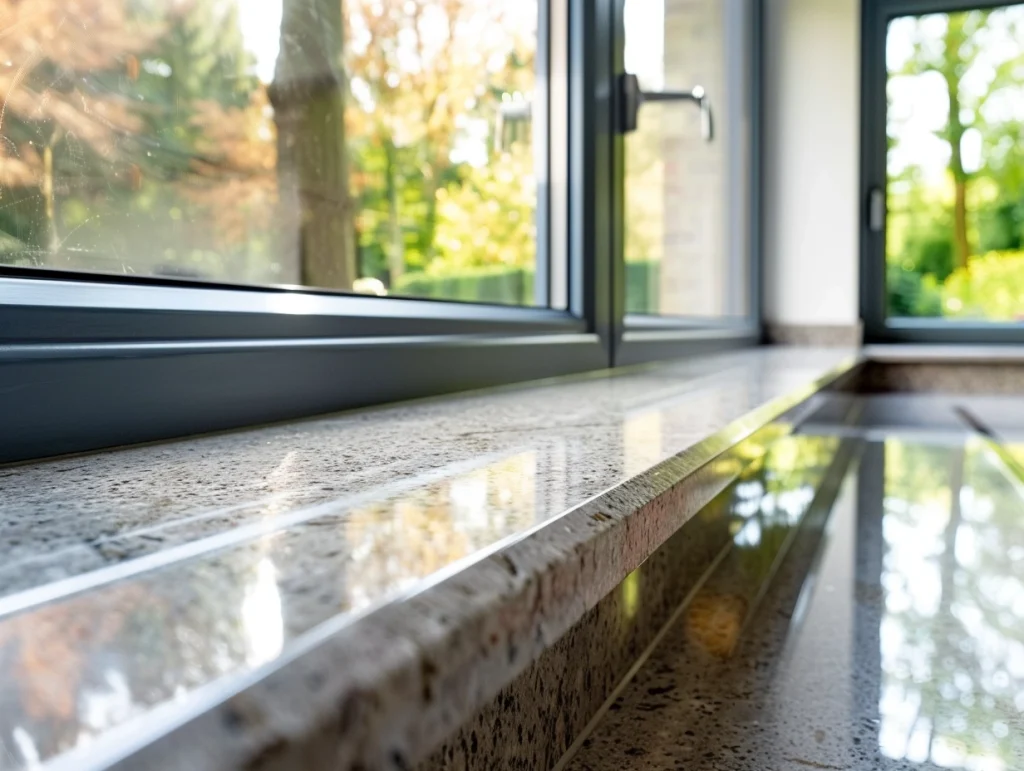
Windowsills and Shelving
Granite is an exceptional material for windowsills and shelving, providing both aesthetic appeal and practical benefits.
- Windowsills: Replacing a wooden windowsill with granite instantly elevates the look of a window. Granite windowsills are incredibly durable, resistant to moisture (from condensation or spills), and easy to clean. They don’t warp or swell like wood can and provide a substantial, finished feel. They also absorb some thermal energy from sunlight, slowly releasing it.
- Floating Shelves: Thicker granite offcuts can be transformed into stunning floating shelves. When properly installed with robust hidden brackets, these shelves offer a minimalist, elegant way to display decorative items, books, or plants. Their inherent strength means they can support considerable weight.
- Built-in Niches: For recessed wall niches in bathrooms or showers, small granite pieces can form the base or back, providing a sleek, waterproof, and easy-to-clean surface.

Chopping Boards and Decorative Items
Smaller, irregular offcuts can be creatively repurposed into functional and decorative household items.
- Chopping Boards/Serving Platters: A highly polished, food-safe granite offcut makes an excellent, hygienic chopping board or a stylish serving platter for cheese, charcuterie, or sushi. Its cool surface is also ideal for working with pastry. Ensure edges are fully polished and food-safe.
- Coasters: Even tiny pieces can be cut and polished into elegant coasters, offering a premium feel compared to standard materials.
- Bespoke Planter Bases/Candle Holders: Use smaller pieces as sturdy, elegant bases for indoor plants, protecting surfaces from water, or as unique candle holders, adding a touch of natural stone to your decor.
The key to repurposing offcuts is seeing their potential beyond their original purpose. With a little creativity and professional finishing, these remnants can become valuable and beautiful additions throughout your home.
Conclusion: A Touch of Elegance and Enduring Value
Transforming granite worktop offcuts into stylish and functional radiator covers is a brilliant way to add a touch of understated elegance and enduring value to your home. It’s a project that marries aesthetic sophistication with practical benefits, making the most of a naturally beautiful and durable material that might otherwise go to waste.
From the moment you decide on the rich visual appeal of natural stone to the subtle warmth it continues to radiate into your room, a granite cover offers far more than just a means to hide a radiator. Its inherent thermal mass contributes to a more consistent indoor climate, gently prolonging the comfort in your space. Environmentally, you’re making a responsible choice by upcycling a valuable resource, and economically, you’re accessing premium luxury at a remarkably accessible price point.
While the weight and the need for professional fabrication might present initial considerations, the long-term rewards are substantial. A properly measured, professionally cut, and securely installed granite radiator cover is a robust, low-maintenance feature that stands the test of time, resisting wear and maintaining its beauty for decades. It won’t warp, discolour, or degrade in the same way some other materials might when subjected to the warmth of a radiator.
Ultimately, choosing a granite radiator cover from offcuts is a statement: a commitment to quality, sustainable design, and smart home improvements. It’s an investment that enhances both the comfort and the resale value of your property, transforming a forgotten corner into a highlight. So, consider giving your radiators the stylish cover they deserve – with the timeless beauty and practical benefits of granite.
Check out our our current stocks of granite offcuts for some inspiration, and start planning your next project today. If you enjoyed this post, please share it on your social media using one of the button icons below. Until next time!